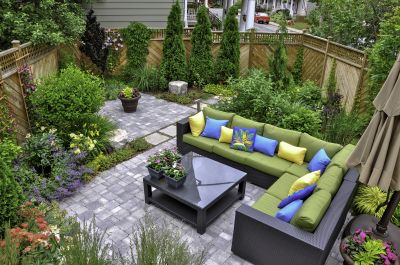
Residential Hardscaping in Boston, MA
Residential hardscaping services encompass a variety of durable, attractive features designed to enhance outdoor living spaces. These projects often include the installation of patios, walkways, driveways, retaining walls, and outdoor seating areas. Homeowners typically seek these services to improve curb appeal, create functional outdoor areas for entertaining or relaxation, and add value to their property. Before requesting hardscaping work, property owners should consider factors such as the intended use of the space, preferred materials, existing landscape elements, and any local regulations or permits that might apply.
Understanding the scope of a hardscaping project is essential for homeowners planning to upgrade their outdoor environment. It’s useful to evaluate the overall design vision, including style preferences and how the new features will integrate with existing landscaping. Property owners should also consider the durability and maintenance requirements of different materials, as well as the potential impact on drainage and soil stability. Clear communication of these details can help ensure the project aligns with expectations and results in a functional, visually appealing outdoor space.
Many property owners in Boston, MA look into Residential Hardscaping for repairs, replacements, upgrades, and appearance-related improvements.
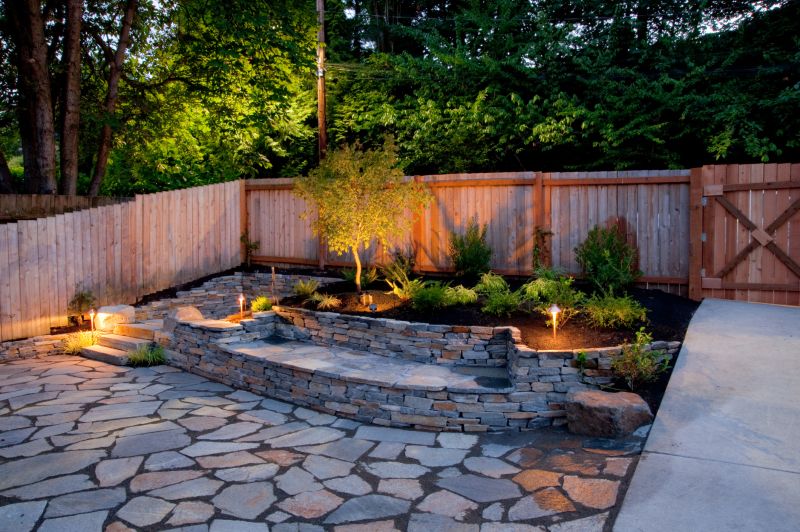
Patio And Walkway Design
Create functional and attractive outdoor spaces with custom hardscape features.
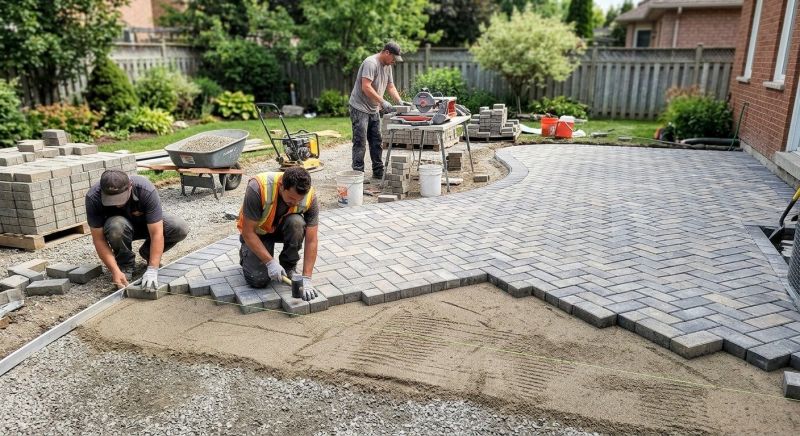
Driveway And Entrance Enhancements
Improve curb appeal and durability with expertly installed driveways and entryways.
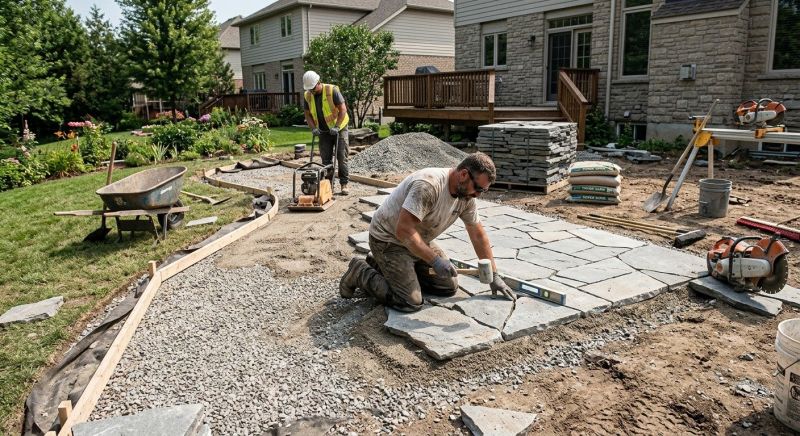
Retaining Walls And Borders
Define landscapes and prevent erosion with durable retaining walls and landscape borders.
Residential Hardscaping in Boston, MA
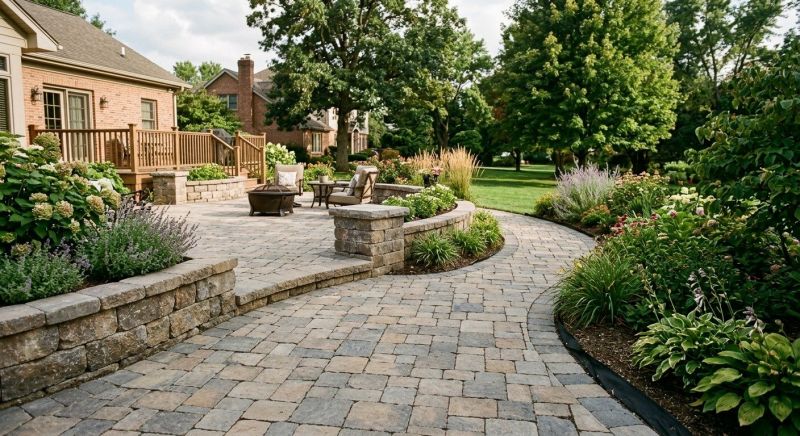
Residential hardscaping services encompass a variety of durable, attractive features designed to enhance outdoor living spaces. These projects often include the installation of patios, walkways, driveways, retaining walls, and outdoor seating areas. Homeowners typically seek these services to improve curb appeal, create functional outdoor areas for entertaining or relaxation, and add value to their property. Before requesting hardscaping work, property owners should consider factors such as the intended use of the space, preferred materials, existing landscape elements, and any local regulations or permits that might apply.
Understanding the scope of a hardscaping project is essential for homeowners planning to upgrade their outdoor environment. It’s useful to evaluate the overall design vision, including style preferences and how the new features will integrate with existing landscaping. Property owners should also consider the durability and maintenance requirements of different materials, as well as the potential impact on drainage and soil stability. Clear communication of these details can help ensure the project aligns with expectations and results in a functional, visually appealing outdoor space.
Many property owners in Boston, MA look into Residential Hardscaping for repairs, replacements, upgrades, and appearance-related improvements.
Common Residential Hardscaping Jobs
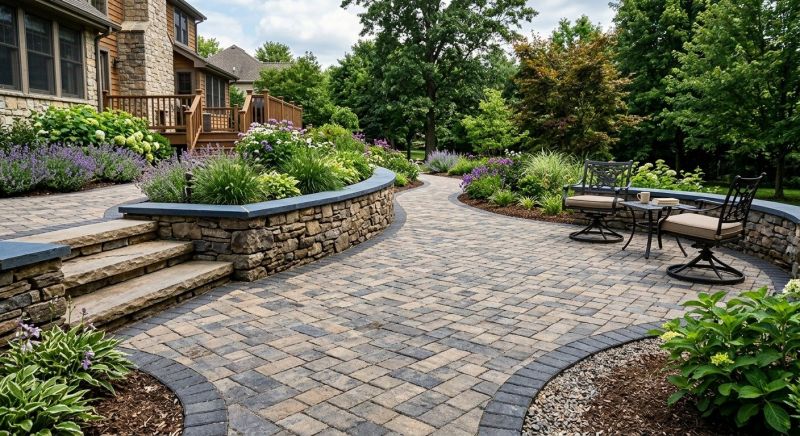
Patio installation - creates functional outdoor spaces for dining, entertaining, or relaxing.
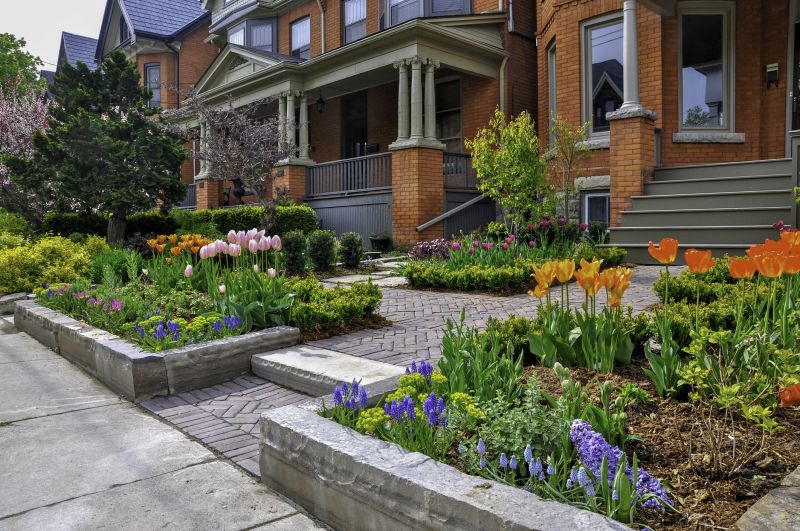
Walkway construction - enhances curb appeal and provides safe, durable paths around the property.
Retaining wall installation - stabilizes sloped landscapes and prevents erosion while adding visual interest.
Driveway paving - improves access and adds a polished look to the property’s entrance.
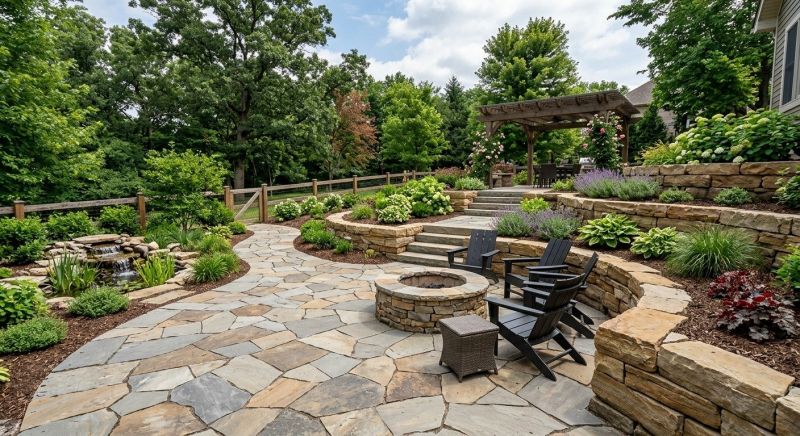
Fire pit and outdoor kitchen setups - extends outdoor living areas for gatherings and cooking.
Stepping stone pathways - adds charm and practicality to garden and yard navigation.
Residential Hardscaping Questions
What types of projects are included in residential hardscaping? Residential hardscaping typically involves features like patios, walkways, retaining walls, and outdoor living spaces designed to enhance property functionality and aesthetics.
How long does a typical hardscaping installation take? The duration varies based on the scope of the project, site conditions, and materials used, but projects are planned to fit the property's needs efficiently.
What materials are commonly used in residential hardscaping? Common materials include concrete, pavers, natural stone, brick, and gravel, chosen for durability and visual appeal.
Will hardscaping improve the property's value? Yes, well-designed hardscaping features can enhance curb appeal and increase overall property value for homeowners and property owners.
Request Residential Hardscaping in Boston, MA
Use the quote form on this page to share the basics of your project and request more information for the type of work you need.